Sleep and blood sugar
Research consistently links short or disrupted sleep with changes in appetite hormones and with reduced insulin sensitivity. In plain terms, after a few poor nights many people feel hungrier, crave sugary food and have less energy. That is why sleep belongs in any conversation about everyday balance.
Stress and energy
Stress raises hormones such as cortisol, which can influence appetite and how the body uses energy. Short bursts are normal. Constant stress is harder on the body. Traditional adaptogens such as maca and eleuthero, part of the Glyco Defender formula, are used with the aim of supporting the body's response to stress, though they are no substitute for rest.
Routines that help
- Consistent bedtime and wake time, even at weekends.
- Morning daylight for ten minutes to anchor your body clock.
- Caffeine curfew: avoid caffeine after early afternoon. Remember that guarana and green tea both contain it, one reason many people take Glyco Defender in the morning (see timing tips).
- Wind-down hour with dim lights and no scrolling.
- A light evening walk, for example after dinner, as explained in walking after meals.
When to get help
Persistent trouble sleeping, loud snoring with daytime tiredness, or ongoing high stress deserves a conversation with a healthcare professional. Use the question list to prepare.
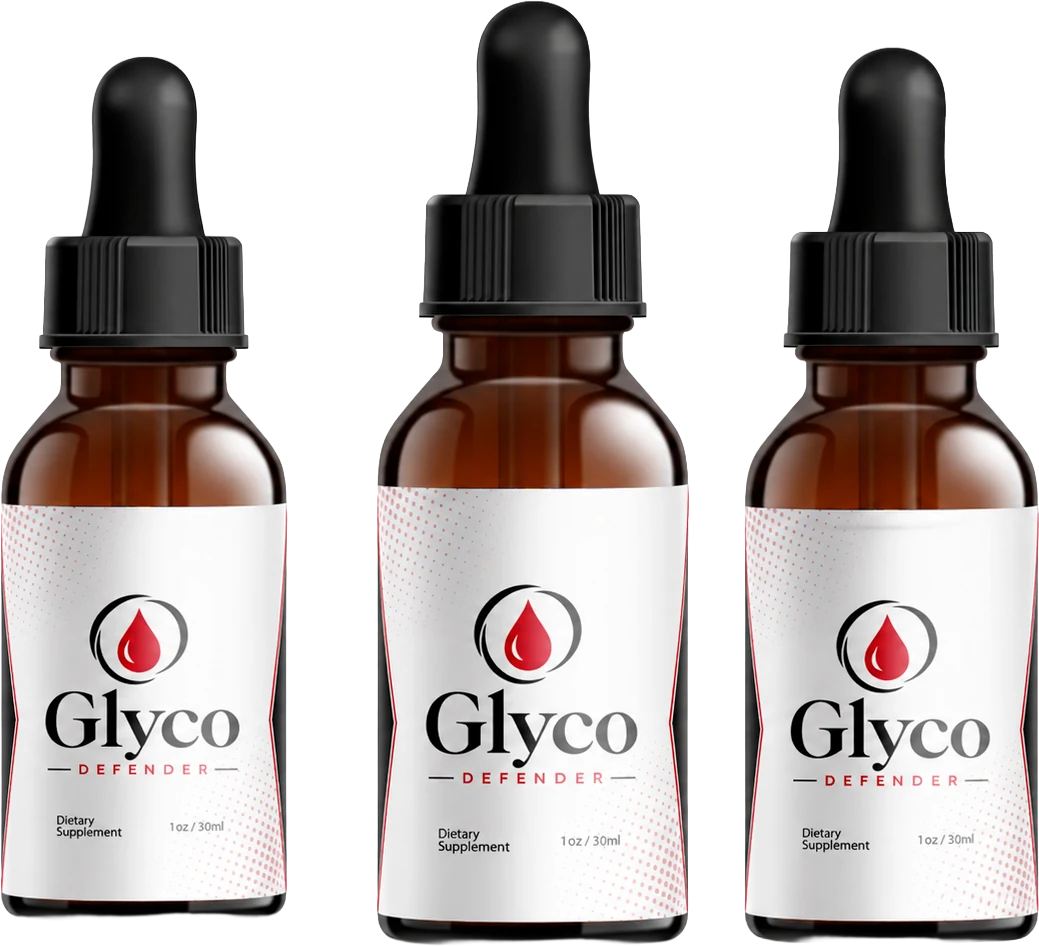
Glyco Defender: one dropperful a day
A liquid botanical formula with chromium, Gymnema and green tea, backed by a 60-day money-back guarantee.
Order Glyco Defender Read the FAQKeep reading
This article is for general education only and is not medical advice. Glyco Defender is not intended to diagnose, treat, cure or prevent any disease and does not replace prescribed medication. Talk to your doctor before starting anything new. See our Disclaimer.